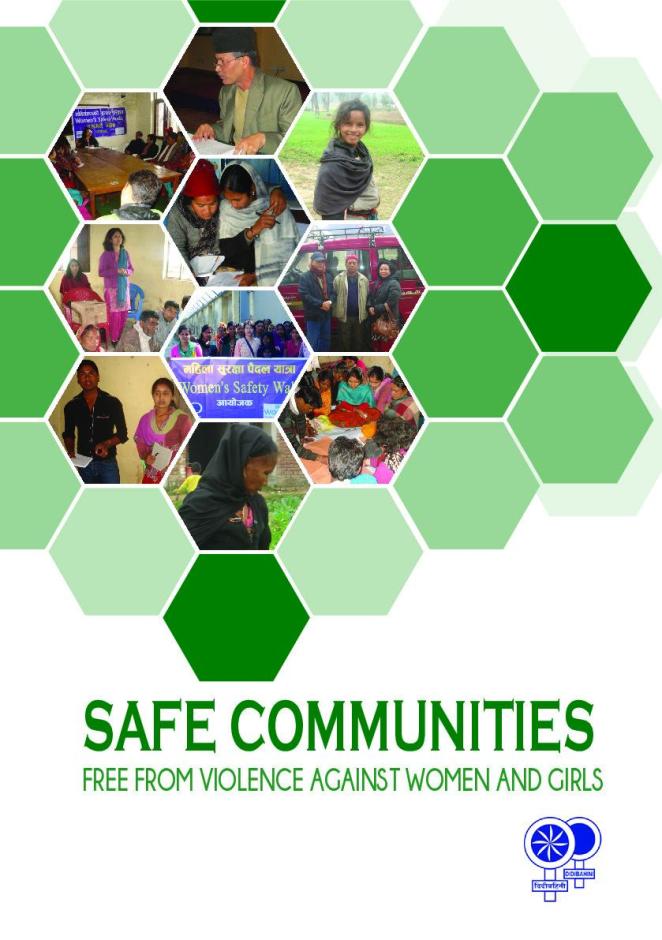
The range and depth of information and data gathered from the WSA provides empirical evidence on women's safety issues in rural areas of Nepal. Many members of the community defined safety as freedom from various forms of violence; ability to move alone without fear; and equality between male and female.
Violence against women has been acknowledged as a major barrier to sustainable human development and a serious impediment to achieving gender equality. It imposes a tremendous economic cost to the countries in the form of absenteeism from productive work, increased health care expenditures, and taxing public services – police, courts, and social welfare. At the same time, it dehumanizes the perpetrators unleashing a cycle of violence that erodes the core of their well-being.
All the countries of South Asia are committed to ending violence against women and children and are signatories to CEDAW and the Convention on the Rights of the Child (CRC). Violence against women remains one of the region’s most pervasive human rights challenges. It is estimated that one in every two women in South Asia faces violence in her home1 as compared to the world average of one in three.