SAARC Regional Strategy on HIV/AIDS 2013-2017
December 31, 2013

SAARC Regional Strategy on HIV/AIDS 2013-2017

The key commitment of the First SAARC Strategy was to urgently scale-up responses towards achieving the goal of universal access to comprehensive prevention, treatment, care and support by 2010. Though there have been significant improvements, these have not been uniform across all countries and there are pockets where HIV prevalence is on the increase. The current strategy is an effort to strengthen the regional responses based on lessons learned from the outcomes of the first SAARC Strategy on HIV/AIDS.
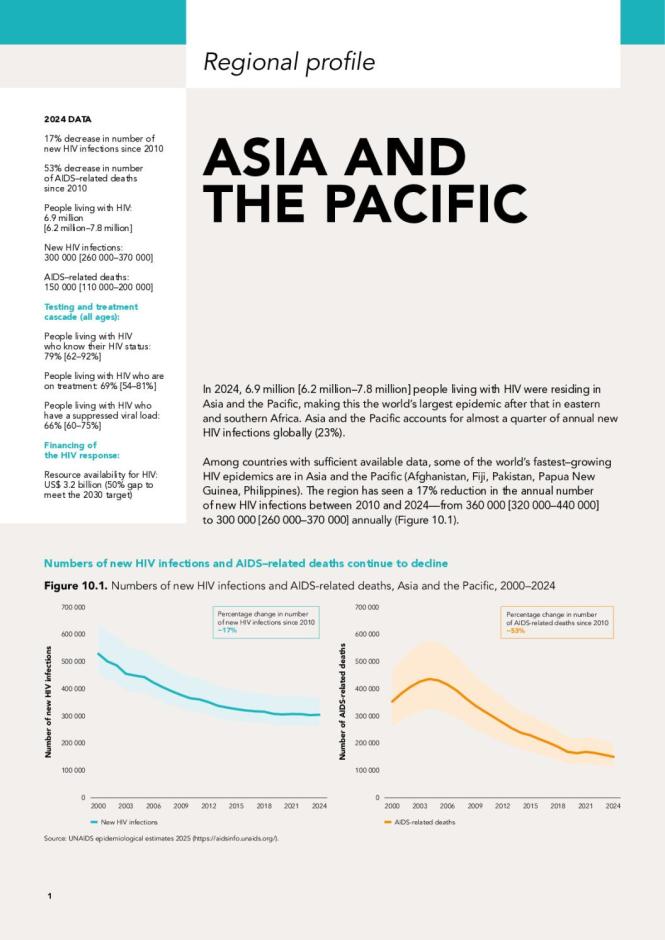
The SAARC region has a low level of HIV infection, but the sheer numbers of people living with HIV (PLHIV) is quite high, estimated at 2.57 million, with the largest burden shared by three countries: India 2.4 million, Pakistan 98,000, and Nepal 64,000. The epidemic is concentrated in certain geographical pockets (six states of India, large cities of Pakistan, and large cities and bordering districts of Nepal) and among key affected population, such as sex workers, men who have sex with men (MSM), people who inject drugs (PWID), and transgender people.

The key commitment of the First SAARC Strategy was to urgently scale-up responses towards achieving the goal of universal access to comprehensive prevention, treatment, care and support by 2010. Though there have been significant improvements, these have not been uniform across all countries and there are pockets where HIV prevalence is on the increase. The current strategy is an effort to strengthen the regional responses based on lessons learned from the outcomes of the first SAARC Strategy on HIV/AIDS.
Organizations:

South Asian Association for Regional Cooperation (SAARC)

Share article: