Prevention of Mother-to-Child Transmission of HIV: Issues for South East Asia - Technical Update
April 30, 2001

Prevention of Mother-to-Child Transmission of HIV: Issues for South East Asia - Technical Update

It is generally agreed upon that failing to address the issues of PMTCT (prevention of mother-to-child transmission) dramatically increases the morbidity and mortality among children affected by HIV/AIDS. Thus, PMTCT has become the priority worldwide for reducing the numbers of HIV-infected children.
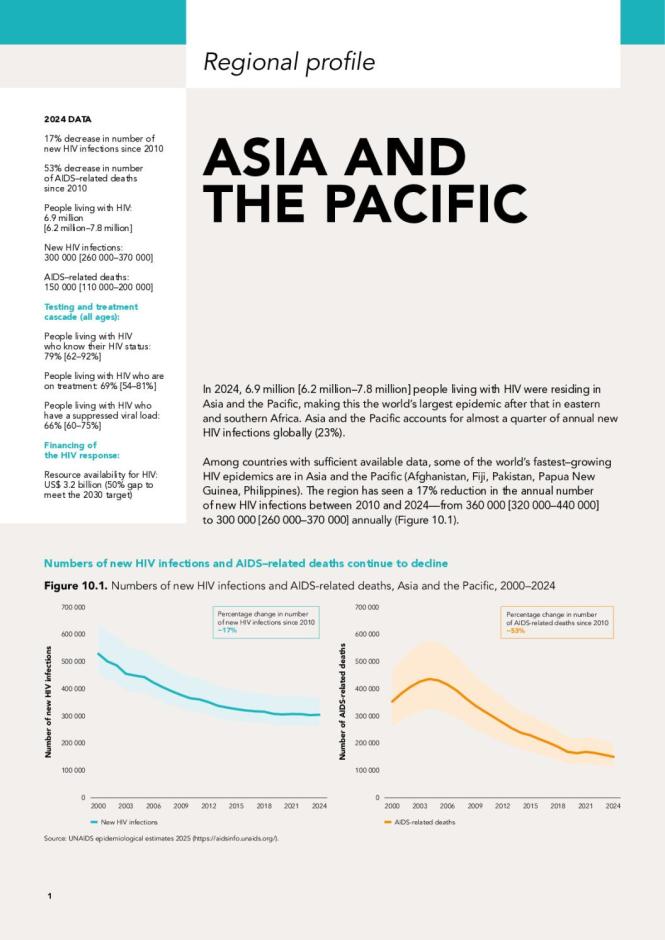
As reported by the Joint United Nations Program on HIV/AIDS (UNAIDS) and the World Health Organization (WHO) in December 2000, threatening rates of transmission of HIV are being seen in much of Africa as well as in Asia. HIV has already killed more than 20 million people worldwide since the beginning of the epidemic. It has infected more than 36 million people; almost half of them were women.

It is generally agreed upon that failing to address the issues of PMTCT (prevention of mother-to-child transmission) dramatically increases the morbidity and mortality among children affected by HIV/AIDS. Thus, PMTCT has become the priority worldwide for reducing the numbers of HIV-infected children.
Organizations:

World Health Organization (WHO) United Nations Children’s Fund (UNICEF) Joint United Nations Programme on HIV/AIDS (UNAIDS) United Nations Population Fund (UNFPA) Thai Red Cross AIDS Research Centre

Share article: