Interfaith Consultation: Children and HIV & AIDS (Background Paper)
January 17, 2008

Interfaith Consultation: Children and HIV & AIDS (Background Paper)

This background paper of the UNICEF East Asia and Pacific Regional Interfaith Consultation: Children & HIV presents regional strategies to strengthen the role of faith-based organizations (FBOs) in responding to HIV & AIDS. It brings attention to four key areas: access to essential services, building a supportive environment, strengthening the capacities of families and mobilizing and supporting community-based responses in addressing the needs of children affected by HIV and other vulnerable children in the East Asia and Pacific region.
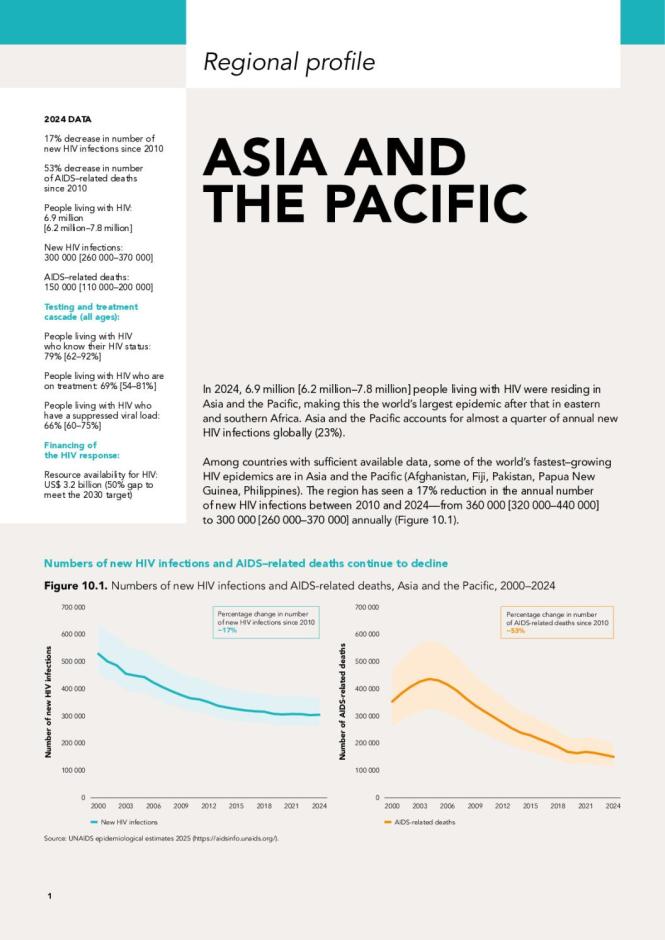
The East Asia and Pacific region has not been spared from the ravages of HIV and AIDS. In 2007 in Asia there were an estimated 4.9 million people living with HIV (PLHIV), including 440,000 people who became newly infected in the past year; approximately 300,000 died from AIDS-related illnesses. Also in the same year, East Asia had an estimated 800,000 adults and children living with HIV, 92,000 adults and children newly infected with HIV, and 32,000 adult and child deaths from AIDS.

In responding to the needs of children affected by HIV & AIDS and other orphans and vulnerable children (OVC), UNICEF is committed to minimizing the further spread of HIV in the region and ensuring that the highest possible level of care, treatment and support is available for those already infected.

Faith-based organizations (FBOs), regardless of religion or denomination, have particular attributes that can strengthen the HIV & AIDS response and contribute more broadly to the protection, care and support of OVCs.

Organizations:

United Nations Children’s Fund (UNICEF)

Share article: