August 13, 2019
Compared with clinical or immunological monitoring, viral load provides an early and more accurate indication of treatment failure. Measuring viral load can help to distinguish between drug resistance and non-adherence when coupled with robust enhanced adherence counselling. Further, viral load can serve as a proxy measure for the risk of transmission and effectiveness of prevention interventions at both the individual and population levels.
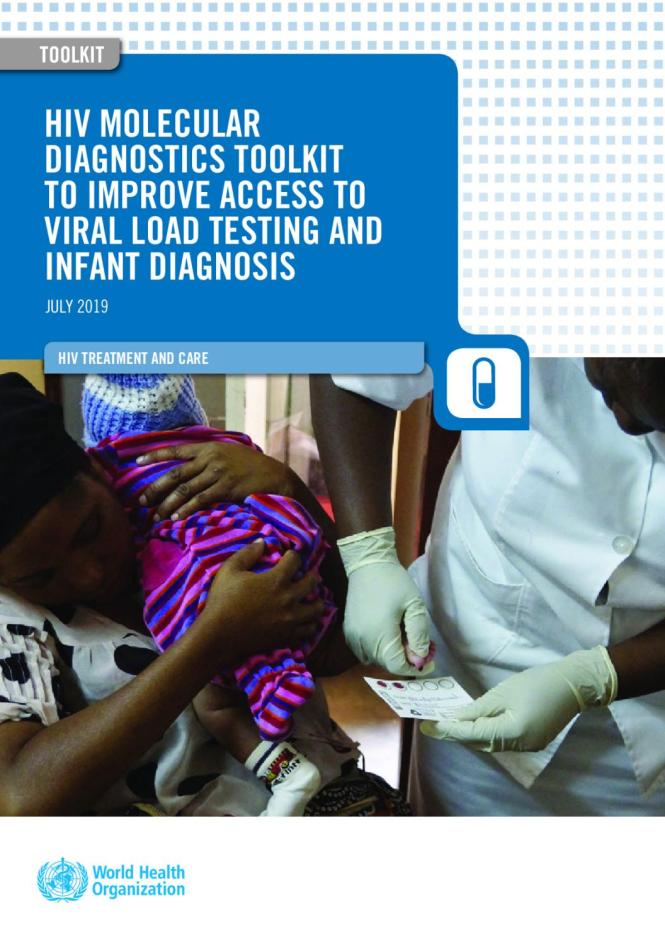
Increasing scale-up of treatment monitoring approaches through viral load testing as well as infant diagnosis will be critical to ensure high-quality care and treatment as well as programmatic success.