It is hard to avoid making grand statements when writing about AIDS and China, especially now that news magazines across the globe speak of the twenty-first century as “the Chinese century.” Even without the hyperbole, how the world’s most populous nation responds to AIDS obviously has great consequences for the future of public health.
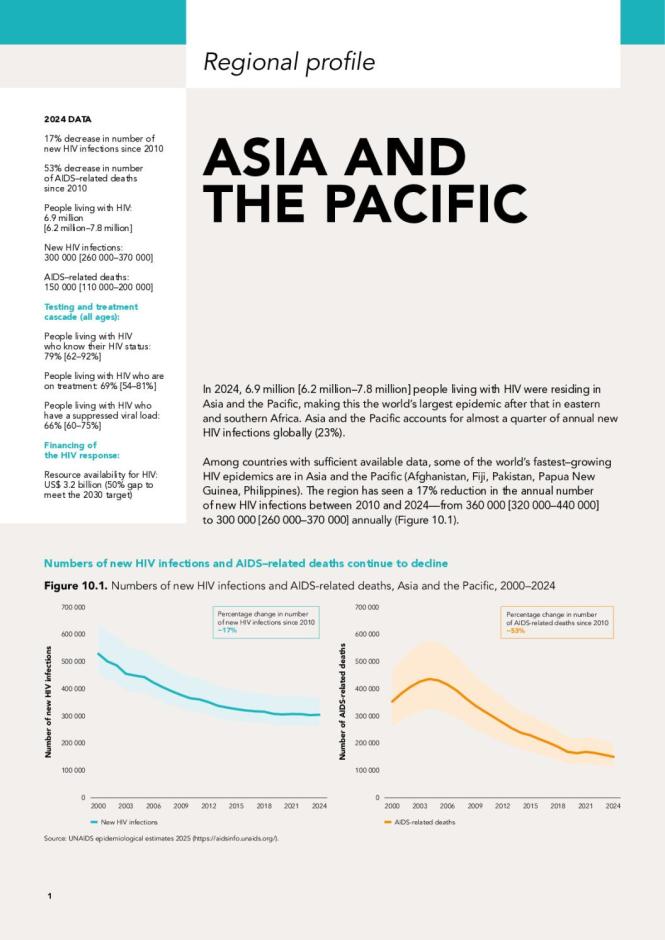
China's AIDS epidemic began in the early 1980s as a localized epidemic among needle-sharing intravenous drug users along the border with Myanmar in China’s Yunnan Province. HIV infections are now found in all of China’s 31 provinces, municipalities, and autonomous regions, with new infections growing at an estimated rate of 30% annually since 1999 and 44% in 2003 (Wu, Rou, and Cui 2004). The epidemic has been unfolding for at least a decade and accelerating for the last few years (Kaufman and Jing 2002), and a narrowing window of opportunity exists to avert a much larger epidemic.